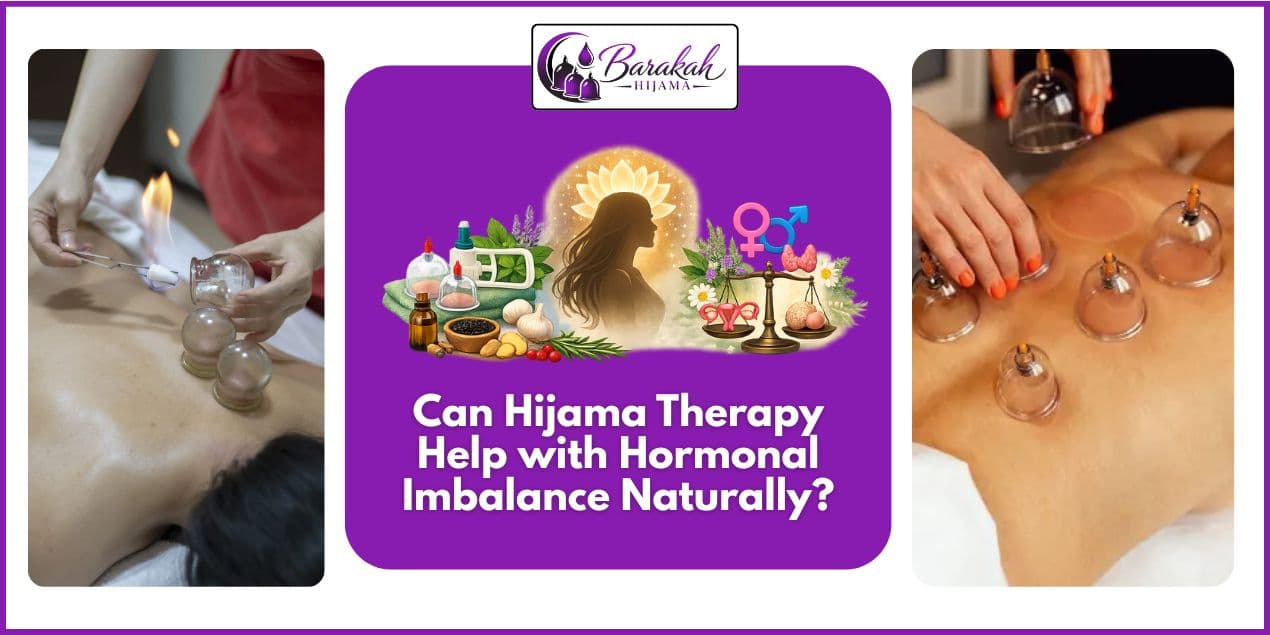
Hormonal imbalance has turned into one of the more common health problems, affecting both men and women these days. Stress, unhealthy eating patterns, not enough sleep, questionable lifestyle decisions, and environmental stressors can mess with the body’s natural hormonal balance, sometimes pretty fast. When hormones get irregular, many people notice fatigue, mood swings, added weight, acne, irregular periods, low drive for energy, anxiety, and trouble falling or staying asleep.
Since people keep learning more about natural wellness, a lot of individuals are now looking for alternative therapies that support the body without depending only on medication. One option getting more attention is Hijama therapy, also called cupping therapy.
Those searching for the best Hijama clinic near me usually want to know if Hijama can genuinely help with hormonal health and general well-being. The honest answer is that Hijama may assist the body in returning toward balance. It can do that by improving circulation, easing stress, encouraging natural detoxification support, and backing the body’s own recovery pathways.
At Barakah Hijama, holistic wellness is handled using traditional healing methods, with professional care standards placed alongside it so physical comfort and emotional steadiness are supported naturally.
Understanding What Is Hormonal Imbalance?
Hormones act like chemical messengers inside the body, and they sort of help steer energy amounts, mood, metabolism, sleep, reproductive health, and a bunch of other essential things that keep everything running.
Even little shifts in hormones can end up messing with daily life in a really noticeable way. Some typical signs of hormonal imbalance might look like this:
- A lot of constant fatigue, you feel drained most days
- Stress and anxiety, as your mind stays on edge
- Irregular menstrual cycles, sometimes too early, sometimes too late
- Low mood, a heavy or flat feeling
- Weight fluctuations, even when the diet is similar
- Poor sleep quality, waking up too much, or not resting
- Skin problems, including acne that won’t fully settle
- Reduced focus and concentration, like your attention wanders
A surprising number of people go through these symptoms without connecting the dots that hormones could be part of the story. That is why supportive wellness approaches such as Hijama therapy are getting more popular nowadays, as an extra way to help the body along, not just as a quick fix.
How Hijama Therapy Works Naturally
Hijama therapy kind of involves putting cups on certain spots of the body to generate a bit of suction, you know. In wet cupping sessions, there can be small, superficial incisions made, just to allow some stagnant blood to come out and to also help in detoxification.
A lot of people say it can help with blood flow, easing muscle tightness, it can also nudge the lymphatic system along, and generally make it easier for the body to get rid of toxins on its own.
And when circulation starts improving, and stress levels are lower, the whole organism may work more efficiently, even down to hormonal processes.
That’s why many people look online for “how Hijama therapy in Sheffield, UK works” because they’re after something natural that supports whole-body wellness rather than focusing on only symptoms.
The Connection Between Stress and Hormonal Health
One major cause of hormonal imbalance is chronic stress, and, well, it’s kinda the same story again and again. When the body gets hit with long-term stress, cortisol levels can stay too high, and that can mess with other hormones a bit, in ways that don’t feel obvious right away.
This type of imbalance may show up in sleep quality, mood patterns, metabolism functions, reproductive health, and even day-to-day energy. Basically, the whole system feels different.
One of the key benefits of Hijama therapy is its calming effect on the nervous system. Many individuals report a deep sense of relaxation after sessions, because the process helps ease physical tension and emotional strain, at least for a while, and sometimes it feels immediate, too. As the body unwinds, symptoms related to hormones and stress may slowly start to improve.
Supporting Better Blood Circulation and Oxygen Flow
Healthy circulation has a big say in hormonal wellness, almost like a quiet regulator that’s always moving. Since hormones move through the bloodstream, when the blood flow is smooth and efficient, the body can pass nutrients and oxygen to where they belong in a proper way.
Hijama therapy supports this naturally by encouraging circulation, and some people believe it may help overall bodily function and inner steadiness.
When circulation improves, it can also be connected with less fatigue, fewer headaches, eased muscle tension, and that “sluggish” feeling people often notice alongside hormonal imbalance.
Quite a few individuals report that they feel a bit lighter and more energized after ongoing Hijama sessions, like the body is running with a cleaner rhythm.
Can Hijama Therapy Help Women with Hormonal Symptoms?
Women often go through hormonal shifts around menstruation, pregnancy, postpartum recovery, and menopause. At the same time, pressure, busy modern schedules, and all that everyday noise can make the symptoms feel even more intense, and sometimes a bit harder to manage.
For this reason, some women try Hijama therapy, a holistic wellness routine, kind of like an added support, to ease symptoms such as:
- Menstrual discomfort
- Mood swings
- Fatigue
- Stress
- Sleep disturbances
- Bloating
Of course, Hijama isn’t meant to be a stand-in for medical care, yet many people still report that it feels helpful, especially for calming down and supporting general balance during hormonal changes.
Professional practitioners usually advise that each person follow a personalized treatment plan, because health conditions aren’t the same for everyone.
Hormonal Balance and Sleep Quality
Bad sleep and hormonal imbalance are pretty tied together, more than most people think. When hormones get out of sync, your sleep routine can start slipping in a subtle way. At the same time, when sleep is poor, it can also make those hormonal issues more intense or slower to settle.
Hijama therapy might help with better rest, because it encourages a calmer nervous system and helps lessen physical strain on the body. It feels like a kind of reset, not just for tiredness, but for the overall inner rhythm.
A lot of people say that after their sessions, their sleep quality becomes better. They often mention they feel more composed and physically at ease, which then carries into the night.
When sleep improves, the body has an easier time doing its natural repair work, and the hormonal regulation processes can return to a healthier flow.
Detoxification and Natural Wellness Support
One reason people look for cupping therapy is its possible part in supporting natural detoxification.
Even though the body already has organs for detoxification, Hijama therapy helps with improved circulation and, in turn, nudges the body’s own cleansing rhythm a bit more.
Afterward, many people report that they feel kind of refreshed, more mentally clear, and even physically lighter.
That kind of overall wellness effect can then help with stress levels and help bring the body back into balance more naturally.
Emotional Health and Hormonal Balance
Hormonal imbalance does not just affect the body physically; it also messes with emotional health in a way that can be hard to explain. Anxiety, irritability, emotional exhaustion, and mood swings are common signs people notice.
Hijama therapy tends to create a calm setting that helps many folks step back from everyday stress and unwind, not only mentally but also, in a sense, physically.
This kind of inner relaxation can indirectly support hormonal balance, too, because it reduces the constant strain associated with stress on the body.
The link between emotional well-being and physical wellness is one reason holistic therapies keep gaining popularity, even when people first come for something else.
Hijama Therapy in Sheffield, UK
The demand for Hijama therapy in the UK, Sheffield, has risen quite a lot, as more people are looking for natural wellness kind of solutions.
Many folks who are searching for Hijama in the UK, specifically in Sheffield, seem to want professional clinics that mix traditional healing practices with modern hygiene and safety rules, you know, the basics still handled properly.
Also, the interest in cupping therapy in Sheffield, UK, is continuing to grow among individuals who are hoping for help with stress handling, body pain, fatigue, and general well-being.
It feels like this whole trend shows a stronger tilt toward holistic prevention-style care approaches, rather than only reacting after something happens.
Why People Trust Barakah Hijama
Choosing the right clinic really does matter, especially when you’re talking about therapies tied to health and wellness and all that.
At Barakah Hijama, the treatments are done by trained and certified practitioners. They really do understand how important it is to keep things safe and also offer care that feels personal rather than one-size-fits-all.
The clinic also puts a real emphasis on several things, like
- Professional hygiene standards
- Safe treatment methods
- Patient comfort,
- Sunnah-based healing approaches
- Personalized wellness support.
Instead of just throwing out generic treatments, Barakah Hijama aims to shape tailored therapy plans, basically based on what each person needs and what their health goals are. So not random options.
This patient-focused approach helps build trust over time, and it supports the community with ongoing wellness.
Combining Hijama with Healthy Lifestyle Habits
For the best outcomes, Hijama therapy should be seen as a bit of a balanced living routine, not just one standalone fix you can rely on.
Healthy eating, good hydration, regular movement or exercise, stress handling, and quality sleep all matter a lot for hormonal wellness, and they kinda work together.
Many people also combine Hijama with other kinds of therapies, like massage therapy, physiotherapy, mindfulness practices, and supportive healthy nutrition, so the body can stay in a more natural equilibrium overall.
That whole holistic strategy often brings more steady long-term benefits, instead of only short-lived changes.
What to Expect During a Hijama Session
A professional Hijama session typically starts with a bit of a consultation about symptoms, health history, and those wellness goals that matter.
Then the practitioner looks over what seems suitable for treatment, kind of mapping areas, before placing cups to get that gentle suction going. For wet cupping, if it is used, tiny superficial incisions can be done with care, under sterile conditions.
Most people say it feels pretty manageable, and honestly, more relaxing than they expected, just like that.
After the session, hydration and rest are usually advised, so the body can recuperate properly.
Conclusion
So, can Hijama therapy help with hormonal imbalance in a natural way? Well, Hijama isn’t exactly a medical remedy for hormonal disorders, but it might support the body’s own healing work by enhancing circulation, lowering stress, encouraging a deeper state of calm, and improving overall wellness.
In this fast and stressful time, a lot of people are leaning toward holistic options, ones that try to balance not only physical well-being but emotional health too, naturally.
With professional Hijama support, safe execution, and time-honored healing practices, Barakah Hijama offers wellness treatments that are meant to be supportive, helping individuals feel a bit healthier, more peaceful, and more balanced within their everyday lives.
If you’re looking for a more natural wellness path, Hijama therapy could become an important step in a longer journey toward feeling better overall.
Frequently asked questions
Hijama therapy can, in a way, support hormonal wellness by lowering stress, boosting blood flow, and bringing on a calmer state through relaxation and other healthy routines.
Quite a lot of people try Hijama therapy to ease stress and inner tension, which may indirectly help with hormonal balance more naturally.
Yes, Hijama therapy is usually considered safe if it is done by trained professionals, with the right hygiene practices and an individualized approach.
The best schedule depends on your own situation, your health history, and what you’re aiming for. Most practitioners will suggest a personal treatment plan, instead of one fixed routine.
At Barakah Hijama, you can get professional Hijama therapy in Sheffield, UK, with certified practitioners, hygienic methods, and holistic care that is tailored to you.