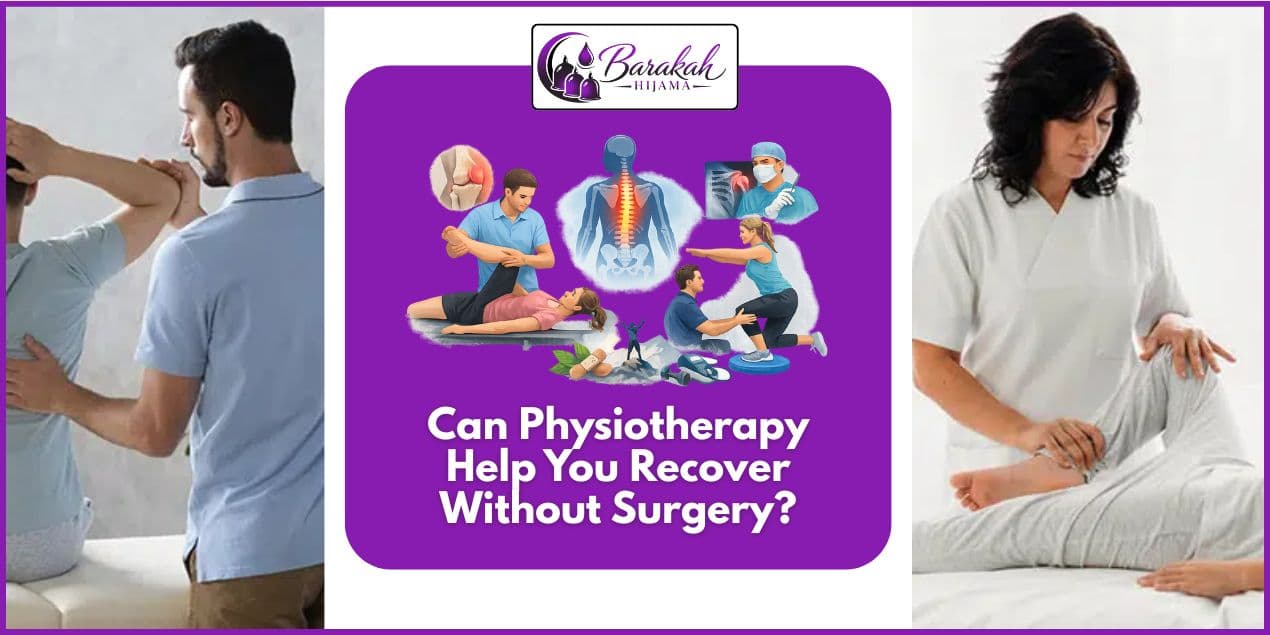
When pain starts messing with your everyday life, surgery can feel like the only way out. Be it a sports injury, long-term back pain, joint stiffness, or a musculoskeletal issue, a lot of people think an operation is basically unavoidable. Still, with how physiotherapy is moving forward these days, the approach to injuries and physical problems has really changed. Nowadays, quite a few patients can recover, regain mobility, and return to normal routines, all without surgery.
So if you’re looking for physiotherapy in the UK, searching for physiotherapy near me, or simply asking whether conservative care can help you avoid surgery, this is where a guide like this matters. It explains how physiotherapy contributes to non-surgical recovery in a real way. At Barakah Hijama, we focus on supporting the body's natural repair process, using evidence-based therapies that help improve movement, lower pain, and boost overall well-being.
Understanding the Role of Physiotherapy in Recovery
Physiotherapy is sort of a healthcare approach meant for restoring movement, strength, flexibility, and physical function. A qualified physiotherapist in the UK usually checks out the real cause of pain or injury, then builds a custom treatment plan, meant to let the body heal on its own naturally.
Whereas surgery often deals with symptoms using invasive procedures, physiotherapy tends to correct movement patterns, build up the supporting muscles, improve joint performance, and help lessen inflammation. In many cases, this way of care can help people return to normal activity, without the added risks, high costs, and longer recovery time that often come with surgical intervention.
So if someone is looking for non-surgical care for joint pain, or they need injury recovery, or they want a more natural way to manage discomfort, physiotherapy is frequently suggested as the first option to try.
Why More People Are Choosing Physiotherapy Before Surgery
A bunch of orthopedic specialists lately recommend giving physiotherapy a try before jumping into surgery. In fact, studies have pointed out that quite a few problems react really well to specific rehab plans, not just “in general” but fairly consistently.
If you’re dealing with knee pain, shoulder injuries, lower back pain, neck stiffness, tendon injuries, or even sports-related issues, a targeted physiotherapy course can bring about noticeable improvement, sometimes even without needing an operation at all.
One big reason this change is happening is that surgery, well, it can come with real risks like infection, unexpected complications, longer recovery stretches, and the usual financial burden. Physiotherapy is usually seen as the safer path, because it helps people stay active, and then slowly rebuild range of motion, strength, and overall function.
So if you’re looking for the best physiotherapy clinic near me, or you want physiotherapy treatment in Sheffield, UK, it helps to know these advantages first, so your health choices feel clearer and more informed.
Conditions That Can Often Improve Without Surgery
Chronic Back Pain
Low back discomfort is one of the main reasons people start thinking about surgery. But, honestly, a lot of these situations come from muscle weakness, shaky posture, or movement dysfunction, not really from a fixed structural injury
If you get a customized physiotherapy plan, it can help build up core strength, bolster spinal stability, and ease the load on the sensitive zones. A lot of patients end up with lasting relief, and they don't need operative care
Knee Injuries and Joint Pain
Issues like a meniscus tear, patellofemoral pain syndrome, or early osteoarthritis often do pretty well with physiotherapy
With strengthening sessions, mobility-focused drills, and careful movement correction, patients can enhance knee mechanics and reduce pain quite a bit
Shoulder Issues
Frozen shoulder, rotator cuff injuries, and shoulder impingement are pretty common reasons people end up going for physiotherapy. You know, that kind of dull aching that just won't let go.
With targeted rehabilitation, range of motion can improve, muscle balance can be restored, and pain can ease. For lots of people this can also mean avoiding surgery altogether.
Sports Injuries
Athletes often face ligament strains, tendon injuries, and muscle tears. Physiotherapy helps speed recovery too, partly by supporting proper healing and helping prevent new setbacks later on.
So it’s a solid go-to choice for anyone searching for sports physiotherapy near me or looking for injury rehabilitation in the UK.
How Physiotherapy Supports Natural Healing
The human body has this remarkable ability to mend itself when the right conditions show up. So physiotherapy supports that natural process, using several techniques that are backed by evidence and practice, not just guesswork.
Restoring proper movement patterns
Usually, pain messes with how people actually move. Then those altered movement patterns can end up putting extra stress on joints and muscles, and that can spiral into more problems
Physiotherapists catch these things early and teach patients how to move the right way, which helps lower unnecessary strain and improves overall function in general.
Strengthening the supporting muscles
When the muscles are weak, they can put extra stress on joints and the areas that have been injured. Strength training tends to give steadiness around those spots, which supports recovery and helps prevent them from coming back again and again.
Improving flexibility and mobility
If muscles feel tight, and joints don’t really move the way they should, discomfort often hangs around longer. Physiotherapy uses stretching plus mobility drills that help bring movement back toward normal, and that can reduce pain
Managing pain in a natural way
Some physiotherapy methods, like hands-on manual therapy, therapeutic exercise plans, and soft tissue mobilization, can help you handle pain without depending too much on medication
So overall, physiotherapy becomes a pretty appealing choice for people who want a more natural pain relief approach.
The Science Behind Non-Surgical Rehabilitation
Modern physiotherapy is backed by a lot of scientific research, and overall, it seems studies consistently indicate that exercise therapy, as well as rehab, can result in outcomes that are on par with surgery for some specific conditions.
Take degenerative knee problems, for instance, a fair number of people report improvements that feel quite similar to what they might get after a surgical procedure, when they go through physiotherapy. And the same idea shows up with chronic back discomfort and shoulder dysfunction, where structured rehabilitation plans are really effective, almost like a practical alternative.
So this kind of evidence adds weight to the idea that more patients should look at conservative pathways first before they even think about surgery.
What Happens During a Physiotherapy Treatment Plan?
Every recovery journey starts with some kind of thorough assessment, you know, the real baseline stuff. A physiotherapist looks at symptoms, yes, and also checks medical history, posture, mobility, strength, and the way you move. Not just the obvious parts, but how it all connects loosely.
From that assessment, a tailored treatment plan might involve things like:
- Therapeutic exercises
- Strength training
- Mobility improvement strategies
- Manual therapy
- Postural correction
- Injury prevention plans
- Lifestyle recommendations
The purpose is not only to calm the symptoms, but to tackle the real underlying cause, the thing that keeps bringing it back.
This patient-focused approach is also one reason physiotherapy keeps gaining popularity across the UK.
Can Physiotherapy Prevent Future Surgeries?
One of the benefits of physiotherapy that people know less about is how it can stop future problems before they really start. A lot of injuries seem to grow out of muscle imbalances, clunky movement mechanics, or repetitive strain that keeps building up
When those root causes are handled early, physiotherapy can keep things from getting worse and, in many cases, cut down on the chance that someone later needs surgical intervention.
Also, folks who finish rehab programs often notice better strength, more flexibility, steadier balance, and a general sense of physical confidence, which sounds small but it really is something.
Physiotherapy and Holistic Wellness
At Barakah Hijama, we understand that recovery is not just about handling symptoms; it’s more, about getting the whole picture. A holistic approach takes into account the entire body, and it gently nudges toward broader wellness.
Physiotherapy works really well together with other supportive therapies like massage therapy and Hijama therapy. While physiotherapy tends to restore movement and function, Hijama therapy can help encourage relaxation, support circulation, and overall feeling better, especially when it’s done by qualified practitioners who know what they're doing.
When people combine several therapeutic approaches, it often leads to stronger long-term outcomes, not only short-term relief.
Physiotherapy in Sheffield, UK: Finding the Right Support
If you are looking for physiotherapy in Sheffield, UK, it is important to pick a clinic that really puts personalized care first and uses evidence-based treatment.
The best physiotherapy providers tend to spend time on understanding what each person is actually dealing with, instead of just throwing the same plan at everyone. That more individualized way usually helps people bounce back faster, and gives better, longer-term results, too.
Lots of people searching for physiotherapy near me in Sheffield, pain management physiotherapy Sheffield, and sports injury rehabilitation Sheffield, UK, are finding out how helpful conservative care can be, in practice.
Why Patients Trust Barakah Hijama
At Barakah Hijama, patient care is put first, using professionalism, trust, and a real commitment to natural healing. Our way is kind of a mix of modern therapeutic techniques with a big focus on safety, hygiene, and an individualized treatment plan, sort of tailored to how you are doing.
Our experienced practitioners know that no two patient conditions are the same, not even close. We end up shaping treatment plans that help with recovery support, better movement or mobility, and an overall improvement in quality of life.
So whether you are managing long-term pain, bouncing back from an injury, or exploring alternatives to surgery, our team stays focused on helping you reach your health goals with safe and effective care.
Real-Life Recovery Without Surgery
Imagine someone with knee pain that just won’t quit, and it starts messing with everyday things. They see a specialist, and surgery gets mentioned as maybe an option. But before they go that route, they jump into a planned physio program, kind of organized, not random. The goal is to build up the surrounding muscles, boost flexibility and mobility, and fix the way they move, step by step.
Over a few months, something changes. The soreness eases a lot, movement feels smoother, and daily tasks get a lot more doable. Then, at some point, surgery is no longer needed, and they can move forward without it.
Little stories like that are showing up more and more. A growing number of people are realizing how strong physiotherapy can be for a natural kind of recovery.
Conclusion
Surgery is not always the only route to recovery. For many problems that touch joints, muscles, tendons, and movement dysfunction, physiotherapy can be a truly effective, evidence-based alternative that helps the body mend in its own way, steadily.
With tailored rehabilitation plans, strength work, mobility gains, and careful pain management methods, physiotherapy may ease symptoms, bring function back, and help your quality of life improve, all without invasive procedures.
If you are thinking about care for chronic pain, sports injuries, or limited mobility, it might be smart to explore physiotherapy first, so you can sidestep surgery altogether. At Barakah Hijama, we’re ready to support your progress toward better health with professional, patient-centered service, with natural healing in mind and long-term wellness as the focus.
Frequently asked questions
Sometimes, yes. In a lot of situations, physiotherapy can dial down pain, boost function, and help someone recover without going through surgery; it really depends on how severe the issue is.
Most people start noticing little improvements within a few weeks, though the timeline can be different depending on the condition, the plan used, and how your body reacts.
Yes, physiotherapy is very often used to manage chronic pain, usually by enhancing movement, building stronger muscles, and tackling the physical root causes behind the discomfort.
Absolutely. Physiotherapy is a major part of sports injury rehab; it supports tissue repair, gets range of motion back, and also lowers the chances of re-injury later on.
Yes, patients can reach qualified physiotherapy services in Sheffield, UK, for injury recovery, pain relief, mobility improvement, and ongoing rehabilitation support.