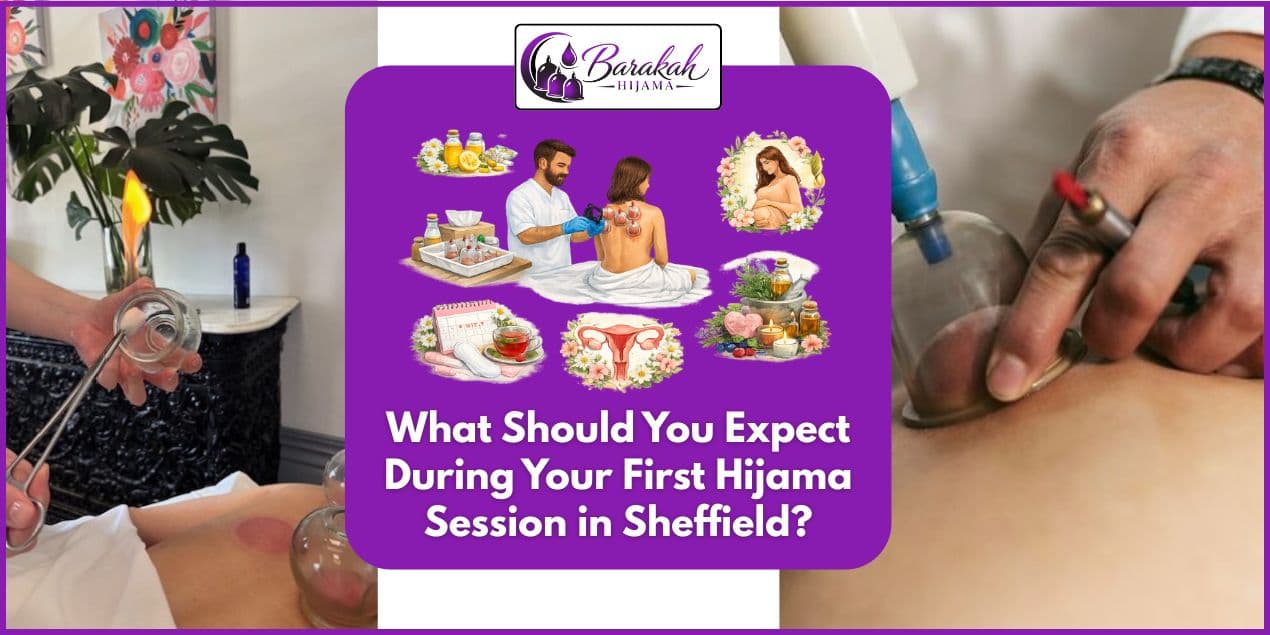
Hijama therapy, also called wet cupping, has been used for centuries, kinda like a natural healing approach, to help the body’s detoxification and try to bring more balance. Lately, in the UK, more women have started looking at this holistic thing for hormonal imbalance, period discomfort, fertility support, and also for lowering stress levels.
At places like Barakah Hijama, hijama is becoming a complementary therapy, used alongside modern healthcare. A lot of women seem to like it because it feels more natural and drug-free when it comes to wellness, not just general treatment.
So, what is it about hijama therapy, really, that naturally supports women’s health? Let’s go through it, step by step, in more detail.
What Is Hijama Therapy and How Does It Work for Women?
Hijama therapy, also called wet cupping therapy, is basically about making gentle suction on certain spots of the body, and then later doing tiny superficial incisions to help take out stagnant blood and what some people refer to as toxins.
A lot of practitioners say this approach can
- Help with blood circulation
- Clear toxins from inside the body
- Support hormonal balance
- Encourage the body’s own natural repair system
And for women, it seems to matter even more because hormone fluctuations, the menstrual cycle, and reproductive well-being are tightly linked to blood flow and that inner steadiness people talk about.
So when someone looks up “what is hijama therapy for women” or “how does cupping therapy work for women”, they often end up surprised by how much it connects to general wellness, not just quick symptom relief.
How Can Hijama Help With Hormonal Imbalance in Women?
One of the most common searches today is “is hijama good for hormonal imbalance in women?” and the answer, honestly, it kinda depends on how the body responds to detoxification and better circulation; not everyone reacts the same way.
Hijama therapy might help with women’s hormonal well-being by, for example:
- Helping regulate endocrine system activity a bit more steadily
- Reducing stress-related hormonal disruptions, when the mind is calmer, too
- Supporting liver detox, and yes, this matters for hormone processing
- Improving overall energy balance, like a smoother daily rhythm
Women dealing with irregular cycles, mood swings, or that hormonal fatigue type feeling often say they feel lighter and more balanced after doing consistent sessions.
That’s why hijama therapy for women's health is now a frequently searched topic across natural wellness communities, and people keep coming back to it.
Can Hijama Help With Period Pain and Irregular Menstrual Cycles?
Yeah, plenty of women try hijama as a natural way to ease menstrual discomfort, like it feels more gentle in a way.
So if you’re searching for “ cupping therapy for menstrual pain relief ” or “ how to reduce period pain naturally hijama ”, this kind of therapy may help in a few noticeable ways, for example:
- Lowering pelvic inflammation
- Helping blood flow reach the reproductive organs better
- Easing that cramped muscle feeling in the lower back and abdomen
- Supporting more even menstrual cycles over time
And even though it’s not meant as a replacement for medical treatment, many women still consider it a helpful companion method for managing discomfort naturally.
Does Hijama Support Fertility in Women?
Another pretty common question is, “Can hijama actually improve fertility naturally?”
Hijama therapy is frequently used as a kind of supportive wellness approach for women who are trying to conceive. Some people think it might help by
- Boosting blood circulation to reproductive organs
- Lowering stress levels (since stress can affect fertility)
- Lending a hand to the detoxification of the body and making the general hormonal environment feel more balanced.
Search phrases like “hijama for fertility support in women” or “natural treatment for women’s hormonal health” show that this interest is really growing, more than before, honestly.
That said, it should still be used next to medical guidance, especially if you’re dealing with fertility concerns.
Can Hijama Help With PCOS Symptoms Naturally?
Polycystic Ovary Syndrome (PCOS) is one of the most common hormonal disorders, affecting women in today’s world.
Lots of people search “does hijama help PCOS symptoms naturally,” and honestly, the results can vary a lot from person to person. Still, hijama might assist with things like
- Reducing inflammation in the body,
- Improving insulin sensitivity indirectly through detox-type support,
- Helping with hormonal swings that come and go
- Supporting weight-related routines along with stress handling.
So it’s not a cure by itself, but it could be a piece of a wider lifestyle plan for managing PCOS naturally.
How Hijama Supports Stress, Anxiety, and Emotional Balance in Women
Stress in contemporary women is usually very high owing to numerous pressures related to their careers and personal lives. In such cases, people look to methods such as hijama as a way to cope with stress naturally.
Increasing searches regarding "hijama therapy for stress and anxiety in females" include hijama as a method that can assist with:
- Nervous system relaxation
- Improvement in sleep quality
- Decreased incidence of tension headaches
- Emotional relaxation
Numerous female patients feel psychologically revitalized following therapy sessions.
Is Hijama Safe for Women?
Some queries that arise are: “Is hijama safe for women?”
Hijama therapy is relatively safe when conducted by an expert practitioner. Nevertheless, precautions should be taken to see that:
- Sterile equipment is used.
- Hygiene measures are maintained.
- Sessions are conducted based on individual health conditions.
- It is not done under certain health conditions or during pregnancy without a professional’s approval.
Safety and hygiene are of paramount importance at professional hijama centers such as Barakah Hijama for women.
How Often Should Women Do Hijama Therapy?
There’s no fixed rule exactly, but the timing really depends on what someone is aiming for and the person's health goals, too. Frequency, like it usually changes based on their body state, not just a single schedule.
In general, you might see guidance such as:
- Wellness and detox sessions: about every 2–3 months
- Hormonal imbalance support: start with monthly sessions at first
- Chronic conditions: follow practitioner advice, because it can be different from case to case
Also, searches like “how often should women do hijama” show that people are looking for personalised treatment, not a one-size-fits-all approach.
What Are the Benefits of Hijama for Female Body Overall?
To sum up the key plus points about “hijama benefits for the female body” :
- Natural detoxification, like it helps the body clear out stuff,
- Improved blood circulation, so the flow can feel a bit smoother
- Hormonal balance support, which many people associate with steadier moods
- Relief from menstrual discomfort, cramps, and that heavy feeling
- Reduced stress and fatigue, you know, the quieter tiredness
- Better overall energy levels, not just for a day or two
So yeah, this is why hijama is such a popular pick for women who want a natural and holistic wellness solution, rather than something overly technical.
Final thoughts
Hijama therapy isn't really a quick fix, but it still feels like a strong traditional healing method that a lot of women in the UK are slowly rediscovering. Whether it's about hormonal imbalance, period cramps, stress, or a kind of “detox” support for the whole system, hijama gives a natural route to help your body’s own recovery work.
Clinics like Barakah Hijama are making it easier for women to explore this old-school therapy in a safe, professional, and more modern kind of setting.
So if you want a natural approach to guide your women’s health journey, hijama might be worth considering alongside a balanced lifestyle, too.
Frequently asked questions
Yes, hijama might help support hormonal imbalance, partly because it can improve circulation and may reduce stress, plus it supports the body’s usual “detox” routines. That overall effect can, in some people, influence hormone regulation, especially in women, though it’s not an instant fix.
In wet cupping, hijama removes only a small amount of superficial blood, usually just a few teaspoons. It isn’t deep blood loss, and when it’s done properly by a trained practitioner, it is generally considered safe.
Hijama may help fertility indirectly, for example, by boosting blood flow to reproductive areas, lowering stress, and supporting natural hormone balance. Still, it should be done along with medical fertility support, because the cause matters a lot.
Yes, hijama can be helpful for females, because it may support menstrual comfort, hormonal steadiness, stress relief, and a general detox approach, as long as it’s performed safely by qualified practitioners.
Women’s fertility can be supported, naturally, with a health-wise diet, better stress control, and consistent movement or exercise, plus a sort of hormone balance approach. Some people also use therapies like Hijama, though outcomes can change a lot from person to person. Still, it’s best to get medical advice because the whole situation can be different.