
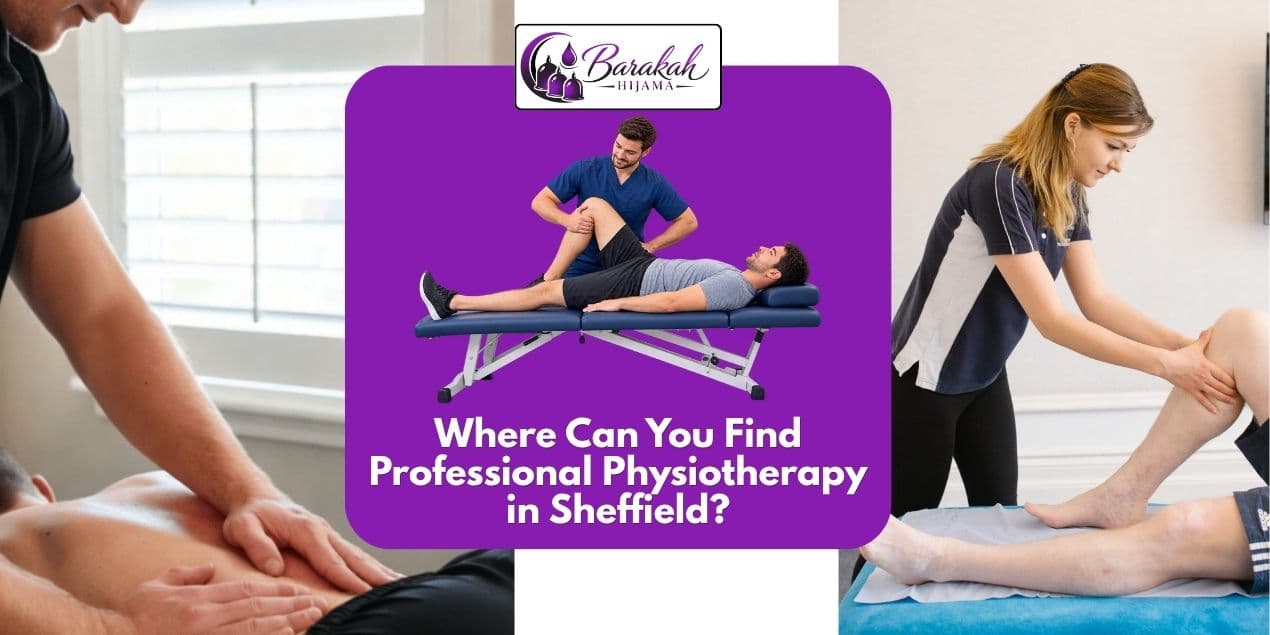
When pain, stiffness, or an injury starts to get in the way, physiotherapy may help. It can also support you when movement feels weaker than before or when mobility drops. Many people notice changes in daily life, even for simple tasks. A good physiotherapy visit can help you understand what is going on and plan steps for better movement.
If you search for physiotherapy online, you may see lots of results. That can happen when you look for a service near you, or when you search for physiotherapy in Sheffield. It can also happen when you try “a physiotherapist near me.” With so many choices, picking the right option can feel confusing.
So, what do you look at when you want a solid physiotherapy service?
This page covers what physiotherapy is, who it suits, and what typically happens during an appointment. It also explains how to choose a physiotherapist in Sheffield. Last, it shares what you can expect from physiotherapy at Barakah Hijama.
What Is Physiotherapy and How Can It Help?
Physiotherapy is a job in healthcare that helps people move better and work with their bodies in a more normal way. This can be needed after an injury, an illness, or another health issue.
The Chartered Society of Physiotherapy says physiotherapists may use several methods. These can include movement and exercise, hands-on treatment, and teaching plus practical advice. The goal is to support people with physical problems and help them keep their ability.
The NHS also explains that physiotherapy aims to reduce pain and help with movement. It may involve exercises, massage, manual therapy, and guidance on what to do next.
A physiotherapy check is not only about the spot where pain shows up. The therapist also looks at how your body moves and how it all works together.
For instance, ongoing discomfort in the lower back can be linked with things like weak muscles, less flexibility, posture issues, everyday movement patterns, or an earlier injury. When those parts are understood, it is easier to set up a treatment plan and exercise routine that fits.
Who Can Benefit From Physiotherapy in Sheffield?
Physiotherapy may help people at many ages and for many physical issues. In Sheffield, people often book sessions for the following problems:
- Back pain and neck pain
- Shoulder aches
- Joint discomfort
- Muscle pulls
- Injuries from sport
- Less flexibility
- Tightness in the body
- Trouble moving normally
- Getting back on your feet after surgery
- Rehab for an injury
- Issues with balance and strength
- Long-lasting problems in the muscles, joints, and bones
The NHS describes physiotherapy as an option for problems that involve bones, joints, and muscles. This can include back pain, neck pain, arthritis, and sports injuries. It may also be part of rehab after surgery or after some illnesses.
Whether physiotherapy is right for you depends on your specific condition, your symptoms, and your health background.
When Should You Consider Seeing a Physiotherapist?
You can get professional help before the pain gets really bad. If something physical is making it hard to do daily tasks, work, sleep, exercise, or move, a physiotherapy check can clarify what is going on. It can also point to practical ways to support your recovery.
You might look into physiotherapy when any of these fit your situation:
- A small injury is not getting better on its own.
- Pain in your back or neck keeps coming back.
- A joint does not move the usual way.
- You have started moving less due to discomfort.
- You are healing after surgery.
- You want a clear plan after a sports injury.
- Weak muscles are limiting how you move each day.
- You want someone to guide your exercise routine.
Physiotherapy is more than sitting on a treatment table. A big part of today’s care is teaching you about your problem. It also helps you feel more confident about how to move and what to do next.
What Are the Main Benefits of Physiotherapy?
A key benefit of physiotherapy is that the plan can be shaped to suit the patient. It takes into account the person’s issue, how they move, and what they want to be able to do again during recovery.
What physiotherapy can support depends on the situation. It may help you work on the following areas.
Better movement
Pain and stiffness can make daily tasks harder. With the right exercises and hands-on movement support, it may be possible to improve how freely you can move and function.
Improved strength
When muscles are weak, the way the body moves can change. This can make some activities feel difficult. Strength work is often part of getting back on track.
Better flexibility
Proper stretching and movement drills can help increase the range of motion over time.
Recovery after injury
A clear rehab plan can guide a safe return to normal routines after an injury. The steps are usually gradual.
Greater confidence with movement
Learning what your body can do safely can make it easier to go back to everyday life and to exercise.
Long-term self-management
A physiotherapist may show you exercises and practical methods to keep doing at home. The NHS also mentions that people may be given home exercises between visits.
Benefits do not look the same for everyone. That is why the physiotherapy approach should be based on a personal assessment.
Can Physiotherapy Help With Back and Neck Pain?
People often go to physiotherapy because of issues in the back or neck. A desk job for many hours can play a role. So can doing the same motion over and over. Past injuries matter too. Heavy physical tasks can worsen things. Even a change in how active you are can lead to aches.
In physiotherapy, a clinician may check how you move first. They may use exercises to build strength. They may work on range of motion. Hands-on treatment is sometimes used. You may also get tips for how to handle daily tasks more safely.
Still, if the pain is very severe or seems odd, it should not be assumed to be a simple muscle strain. Some signs call for a medical check. A physiotherapist should know when it is time for more tests or when to send you to another provider.
How Does Physiotherapy Support Recovery After Surgery?
After a few procedures, some people notice they feel weaker. They may also feel stiff. Others find it harder to move like they used to.
Physiotherapy may be used as part of recovery. It can help patients build up movement little by little. It also supports strength and day-to-day function. This depends on each patient.
The NHS says physiotherapy is commonly used after surgery. The goal is to help with better movement, more strength, and better stamina.
Your surgeon or care team will tell you what to do next. They will say when you should start rehab. They will also explain which motions are safe for you.
What Should You Look for When Searching “Physiotherapy Near Me”?
Searching for “physiotherapy near me” on Google can quickly show what is available. Still, don’t treat distance as the only factor.
When you plan your first visit, look at a few things.
- First, check credentials. In the UK, physiotherapy is a regulated job. The NHS says that if you go private, you should confirm the therapist is registered and properly chartered. You can verify this through the Health and Care Professions Council, known as HCPC.
- Next, pay attention to the assessment. A good appointment should not feel rushed. A proper clinic should listen to your symptoms and ask about what your body needs. They should then decide on an approach based on you, not on a generic plan.
- After that, ask how care will be tailored. Your sessions should match your specific issue. They should also fit your daily routine and the kind of recovery you want.
- Also, consider communication. You should be able to understand what the treatment is meant to do. You should also get clear instructions on what to work on between visits.
- Rehabilitation support matters too. Useful physiotherapy often includes advice and exercises that help you keep moving toward your goals even after you leave the clinic.
- Finally, consider referral. A responsible practitioner should know when something is beyond physiotherapy. If more medical input is needed, they should suggest further checks or contact another healthcare professional.
What Does Physiotherapy at Barakah Hijama Include?
Barakah Hijama offers physiotherapy in Sheffield. The aim is to help people get movement back, improve physical function, and work toward their recovery targets.
The clinic notes that appointments can involve a full physical check. It may also include ways to manage pain. You might get manual therapy, plus stretching and strengthening exercises. Posture and movement practice is part of the plan too. If you have had an injury or surgery, rehab support can be included. Sessions may also end with home exercise advice.
You can find the clinic at 87 Firshill Rise, Sheffield S4 7BW. It provides physiotherapy along with other wellbeing services.
Explore Barakah Hijama Physiotherapy Services
Final Thoughts
Are you dealing with pain, stiffness, an injury, or trouble moving like you used to? If so, seeing a physiotherapist can help you make sense of what is going on. It also gives you a plan to improve how you move and how your body works day to day.
Physiotherapy may help with more than one thing. You might notice better mobility. You may build strength over time. Flexibility can improve too. Many people also go through a rehab process that supports recovery and helps them feel more at ease when they move. Still, results are not the same for everyone, and they depend on the issue you are treating.
When you search for physiotherapy near me or physiotherapy in Sheffield, do not focus only on the location. Check that the practitioner is properly registered. Ask how the assessment will be done. Find out if the plan is tailored to you. Good communication matters. Ongoing rehab support matters as well.
If you are based in Sheffield and want a nearby option, Barakah Hijama provides physiotherapy. They also offer other complementary and wellbeing services.
To start, keep it straightforward. Talk through your concerns with a qualified professional. Review your options. Pick the approach that fits your needs best.
Frequently asked questions
A physiotherapist looks at how you move and what physical issues you have. They may use exercises, hands-on treatment, coaching, and rehab plans. The goal is to help you work better and ease pain.
People often see better movement and more strength. Flexibility and daily physical function may improve too. After an injury or surgery, rehab can help you get back on track. The outcome depends on your condition and the plan your clinician sets.
Look for physiotherapy clinics in your area. Before you book, check that the therapist is properly registered. Also review their training, how they assess patients, and what treatments they offer. Location and patient care standards matter, so it is worth checking those as well.
Yes. Physiotherapy is often used for issues in the muscles and joints, including back pain. Sessions may involve an assessment, specific exercises, hands-on work, and guidance made for your situation.
The time for an appointment can differ by clinic. It also depends on what you need. Your physiotherapist can tell you how long your visit will likely be when you schedule it.