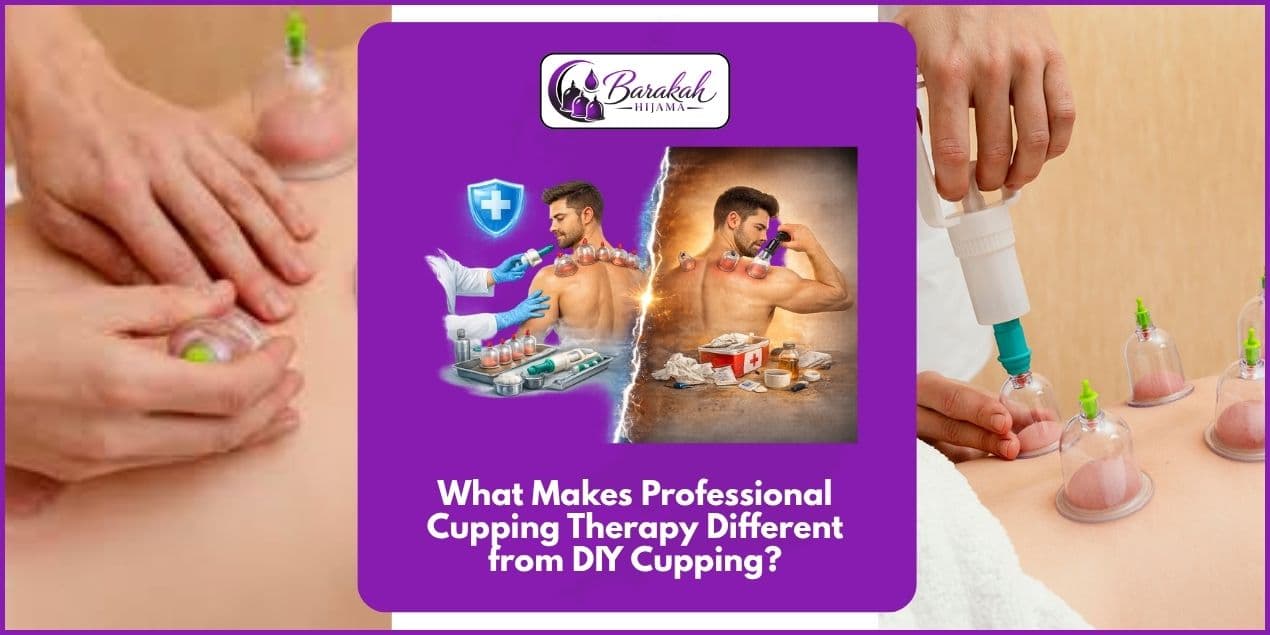
Cupping therapy has been getting more and more popular across the UK, with a lot of people now hunting for more “natural” ways to help with pain relief, muscle recovery, circulation, and just overall wellness in general. Lately, social media tutorials, plus those easy online shopping platforms, have made it feel like DIY cupping at home is almost straightforward. But even if home cupping kits look convenient, they are not really a replacement for proper, hands-on care from a qualified practitioner.
If you are thinking about cupping therapy in Sheffield, it helps to know the difference between professional cupping therapy and DIY cupping. That way, you can make a more informed decision about your health and also your safety.
Understanding Cupping Therapy
Cupping therapy is one of those old-time treatments where you place specialized cups on the skin, kind of like a suction thing. That suction, or pull, helps encourage blood movement, eases muscle tightness, and can also back up the body's natural recovery work.
There are a few different styles, kinds of variants, like these
- Dry cupping therapy
- Wet cupping, (Hijama)
- Sports cupping therapy
- Massage cupping
When it’s done professionally, a trained therapist actually manages it, so they know anatomy, keep hygiene standards right, and use the correct procedure steps. But with DIY cupping, it’s more like self-application, without a practitioner’s guidance, so it tends to be more “you figure it out” and less supervised.
What Is DIY Cupping?
DIY cupping consists of applying cupping techniques using cupping kits bought online or in stores. Typically, such kits will have silicone or suction cups, which users will apply themselves.
Some of the reasons why many people opt for DIY cupping include:
- Cost-effectiveness
- Convenient access
- Promoted online as easy to use
- Can be done from the comfort of one’s home
Nevertheless, DIY cupping lacks some key aspects needed for the success of this treatment.
Professional Cupping Therapy vs DIY Cupping
Professional Assessment Before Treatment
One of the most important distinctions between professional and DIY cupping therapy is the preliminary consultation.
The licensed cupping practitioner will take into account such factors as:
- Your medical background
- Existing illnesses
- Sites of pain
- Purpose of cupping
- Appropriateness of wet/dry cupping
Such a customised approach helps tailor the therapy to your unique case.
There can be no professional consultation with DIY cupping, thus making it more likely to fail.
Proper Knowledge of Cupping Points
The practitioner will know the parts of the body to treat as well as the ones not to treat.
A skilled Hijama practitioner will know:
- Cup placement
- Suction strength
- Time frame
- Body indicators
Incorrect cup placement in self-cupping may cause pain and bruising.
Hygiene and Safety Standards Matter
Always keep safety in mind when looking for a reliable cupping practitioner in Sheffield.
Professional Hijama centers practice proper infection control through:
- Use of sterile equipment
- Single-use blades for wet cupping
- Sanitized treatment rooms
- Professional cleaning processes
- Proper waste management
Home cupping does not ensure such measures, especially in the case of wet cupping performed in a domestic setting.
Why Hygiene Is Essential for Wet Cupping
In wet cupping therapy, the skin is first cut before the suction process is done. Since there is a breach in the skin, a sterile atmosphere must be maintained throughout the procedure.
Clinics providing professional wet cupping services in Sheffield ensure that strict hygiene methods are followed to reduce the chances of infections.
Undertaking Hijama therapy at home poses certain risks, such as:
- Skin infections
- Formation of scars
- Severe bleeding
Better Results Through Professional Experience
One popular concern that arises is whether:
Does Professional Cupping Offer Better Effects?
Yes, usually. Professional cupping experts know the best way to customize treatment depending on:
- Persistent Pain
- Sports Injuries
- Muscle Tightness
- Stress Tension
- Other Recovery Requirements
Additionally, professional practitioners will modify the level of suction applied and time spent according to their client's comfort level.
DIY enthusiasts tend to apply the same techniques regardless of their ailments.
The Benefits of Professional Cupping Therapy
Individuals interested in receiving cupping therapy in Sheffield often cite various benefits of the treatment.
Improved Blood Circulation
The technique ensures the stimulation of blood flow to certain body parts without any danger of injury.
Muscle Tissue Recovery
Specialists in sports cupping therapy in Sheffield commonly deal with sportspeople who aim at alleviating muscle pain.
Tension Release from Muscles
Professionals identify the muscles that require special attention during the procedure.
Customized Therapy for Individual Patients
Each patient gets a personalized treatment regimen tailored specifically to their needs.
Risks Associated with DIY Cupping
Many do-it-yourself guides for cupping therapy present it as a risk-free procedure. This is not always true because using the practice incorrectly could be dangerous.
Common DIY Cupping Errors
- Overly strong vacuum strength
- Faulty cup positioning
- Overextended treatment time
- Use of unsterilized instruments
- Undertaking wet cupping without appropriate experience
This list may result in:
- Bruises
- Deterioration of the skin
- Burn injuries
- Infections
- Unsuccessful treatment
Why Sheffield Residents Are Choosing Professional Hijama
With increasing knowledge of holistic health practices, people prefer getting their Hijama Sheffield treatment done through professionals rather than using at-home kits.
These include:
- Availability of skilled professionals
- Safe and sanitized environment for treatment
- Tailored treatment programs
- More effective treatments
- Professional advice and after-treatment care
It offers many people peace of mind knowing that their treatment will be done by qualified professionals, putting safety first.
Why Barakah Hijama Focuses on Professional Care
At Barakah Hijama, every single treatment is guaranteed to be performed with utmost care in terms of professionalism, efficiency, and above all, safety and the patients’ wellbeing, both from an ideological and practical perspective. We provide professional services such as personalized Hijama sessions and wet cupping treatments within the confines of our well-equipped and professionally decorated offices that provide comfort and relaxation.
In other words, whether you opt for professional wet cupping services, dry cupping treatment, or more of a wellness support program, rest assured that each session will be personalized to suit your particular needs.
Conclusion
Even though DIY cupping can look sort of convenient, it really doesn’t take over what professional cupping therapy does, namely, the know-how, the safety standards, and the more tailored, personal attention. Trained practitioners actually know where the cups should go, which techniques fit best, and how to keep everything hygienic, as well as how to properly check the person in front of them before things move forward. That whole combination is what tends to make it safer, and in the end, more effective.
If you’re thinking about cupping therapy in Sheffield, picking a trusted, experienced practitioner matters. It can help you get the strongest possible hijama benefits while reducing the chances of unwanted side effects. With professional care, you gain a kind of calm certainty, a customised approach, and a steadier route toward better health and wellbeing.
Frequently asked questions
Honestly, it depends. If you’re asking because of a specific health goal, then the best choice can shift. Wet cupping (Hijama) and dry cupping both claim benefits, though a qualified practitioner is usually the one who can guide you toward the most suitable option.
It may support better circulation, and it might ease muscle tension around the area, but it isn't considered a proven way to repair nerve damage directly.
It might help with releasing tight fascia, and it can enhance tissue mobility. Basically, the gentle suction can lift and stretch the connective tissue under the skin, so things feel looser over time.
You don't technically have to be. There are basic dry cupping kits you can use at home, but training is recommended for safety, and also for more consistent results that actually make sense for your situation.
Mostly because the scientific evidence behind some of the reported benefits is still limited. Still, many people describe positive experiences and symptom relief, so the debate keeps going.