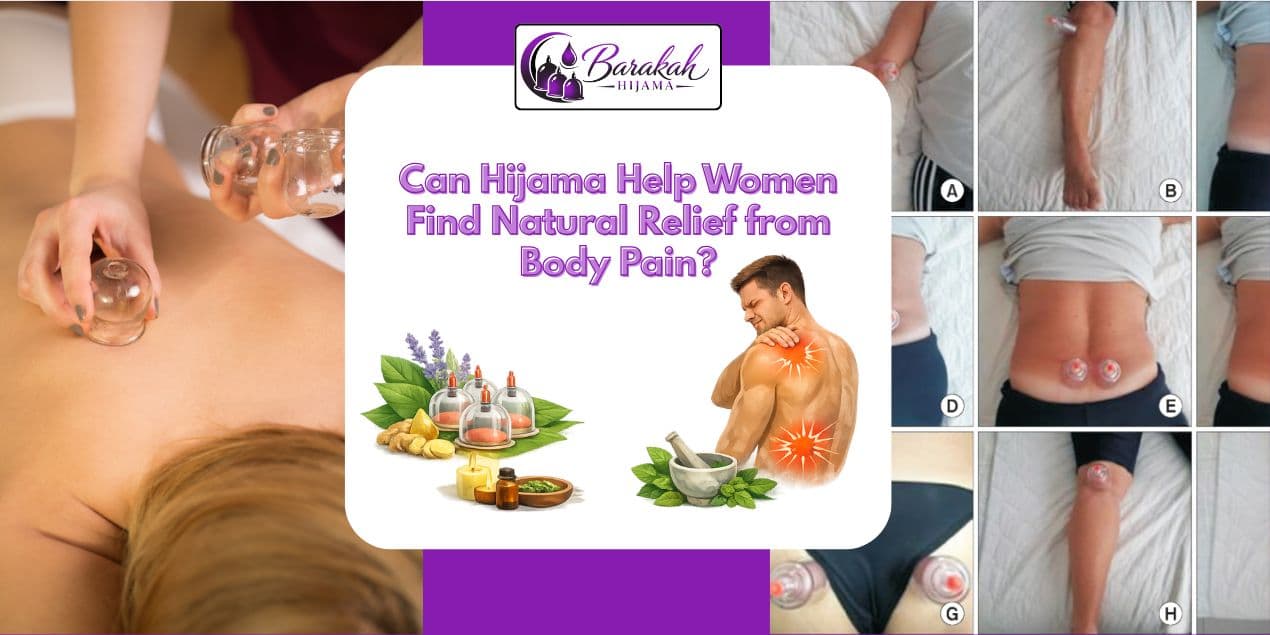
In recent years, it seems like more women in Sheffield have started looking around for natural healing methods to deal with everyday body pain, stress, and that general sort of discomfort. This growing curiosity is one reason searches like “Hijama for body pain”, “Hijama therapy for women's pain relief”, and “natural pain relief therapy Sheffield” keep getting more clicks online.
Today, many women are juggling work, family, and lifestyle pressures, and that can quietly turn into back pain, muscle tightness, neck tension, headaches, and even tiredness that won’t really go away. Instead of leaning only on medication, a lot of them are trying more holistic routes, for example, Hijama therapy Sheffield for women.
At Barakah Hijama, we also notice more clients asking something along the lines of “Can Hijama help women find natural relief from body pain?” The honest answer is never a one-size-fits-all thing, since everyone’s situation is different. Still, many women say Hijama supports their overall sense of well-being when it’s used alongside a balanced routine, like food, sleep, and gentle movement, not just a single option.
What Is Hijama Therapy and How Does It Work for Pain Relief?
Hijama is considered an alternative medicine that uses suction on the body and is used to help improve blood flow and reduce stress. In hijama cupping therapy, you may have bruises on your body (the surface of your skin) before performing hijama on them again.
Many women looking for female hijama practitioners or hijama clinics in Sheffield prefer this treatment because it does not require surgery, uses natural substances, and supports the body's natural recovery process. Many women use hijama to help:
- Muscle tension and tightness
- Soreness in the back and shoulders
- Stress-induced pain in the body
- Feeling tired and having little energy
- Having pain everywhere
Although hijama is not a medical treatment, it is a very common form of natural therapy for helping with relaxation and promoting overall well-being.
Can Hijama Help Women With Body Pain Naturally?
One of the most searched questions, it seems, is: “Can Hijama help women with body pain?”
Many women think Hijama could ease discomfort a bit, mostly because it helps them wind down, and it may improve the circulation in the specific spots. That's why phrases like Hijama for women near me and Hijama treatment for back pain get looked up so often in the UK, like really often.
At Barakah Hijama, the sessions are never really the same for everyone. A trained practitioner checks each client first, then suggests which areas might be best to target. A lot of women end up choosing Hijama for things like
- Lower back pain
- Neck and shoulder tightness
- Muscle fatigue after work, or following exercise
- General stiffness throughout the body
Still, it’s important to know that outcomes aren’t identical for every person, and Hijama should be seen as a kind of supportive wellness therapy, not as a direct substitute for medical treatment, you know.
Why Do Women Prefer Hijama Therapy for Pain Relief in Sheffield?
Women are starting to prefer women’s Hijama therapy in Sheffield, simply because it feels a lot more comfortable and also more private overall. A lot of people, honestly, will type out a search like female cupping therapy Sheffield just to make sure the practitioner is also a woman, so they feel more at ease while the treatment is happening.
Some of the biggest reasons women choose Hijama are these, kind of one after another:
1. A Natural, Drug-Free Way
Many clients want to steer clear of heavy medication and instead go with Hijama as part of a natural routine.
2. It Helps With Relaxation
During a Hijama session, many women report feeling calmer and more relaxed, so it becomes a go-to choice for stress-related aches.
3. Being Comfortable With a Female Practitioner
Even searches such as female Hijama therapist Sheffield show that privacy and personal comfort matter a great deal.
4. Holistic Wellness, Not Just One Fix
Women often pair Hijama with better food choices, exercise, and small lifestyle changes, so they can support recovery in a broader way.
Is Hijama Safe for Women Seeking Pain Relief?
A common worry is, “Is Hijama safe for women?”
When it’s done by a trained professional, Hijama is mostly seen as safe for many individuals. At Barakah Hijama, we keep strict hygiene practices, including sterilised tools and careful, safe treatment steps.
Before any session begins, there is a consultation to get a clear picture of your:
- Medical history
- Current health conditions
- Pain areas and the symptoms you’re feeling
- How suitable is hijama for your case
Women are always encouraged to check with a healthcare professional first, especially if they have an underlying medical issue, before booking hijama therapy.
What Types of Pain Can Hijama Therapy Support?
A lot of women look for Hijama for women's pain relief, because they want to grasp the specific advantages. Hijama is usually linked with helping support a few things, like,
Can Hijama Help With Back Pain?
Yes, many women try Hijama treatment for back pain, as part of a more general wellness routine. It may reduce stiffness and also make it easier to feel more at ease and relaxed.
Can Hijama Help With Muscle Pain?
Yes, Hijama is often used for muscle tightness and tiredness, especially for women with busy schedules, or those with active lifestyles, even desk jobs.
Can Hijama Help With Neck and Shoulder Pain?
Yes, cupping therapy is commonly used to ease pressure around the neck and shoulder area, which some people find really helpful.
Can Hijama Help With General Body Pain?
Yes, many women choose Hijama for whole body aches, as a kind of holistic therapy meant to support overall wellbeing, kind of like a full reset approach.
What Should Women Expect During a Hijama Session in Sheffield?
If you are thinking about Hijama therapy in Sheffield for pain relief, it can really help to understand how it all goes, so you feel a bit more confident.
Step 1: Consultation
Your practitioner talks through your health history and your main pain concerns
Step 2: Treatment plan
They then choose the cupping points that fit your situation, usually based on what’s going on with your condition
Step 3: Hijama session
The cups are placed carefully on the targeted areas to help encourage suction and, at the same time, support relaxation
Step 4: Aftercare guidance
You get guidance about rest, hydration, and how recovery should look over the next while
If you want more details, you can also check our internal guide:
“What Should You Expect During Your First Hijama Session in Sheffield?”
Where Can Women Get Hijama Therapy in Sheffield?
If you are looking for a Hijama Clinic Sheffield, Female Hijama Therapist Sheffield, or Cupping Therapy Sheffield, you can find professional services at Barakah Hijama.
We provide individualised sessions designed to help women achieve their health and wellness goals in a safe, comfortable environment.
Final thoughts
Are you thinking about hijama therapy as a natural solution to body pains experienced by women?
Many women from Sheffield are now choosing hijama because it is a natural way to promote physical wellness through a holistic approach. Hijama can help with relaxation and self-care, but it should not replace medical treatment.
At Barakah Hijama, we have been supporting women who want to use hijama therapy in Sheffield to relieve their body pains by providing safe and professional care that is tailored to each woman.
If you are looking for natural ways to heal yourself, hijama therapy could be an excellent first step towards improving your overall health and well-being.
Frequently asked questions
Hijama for women might help with relaxation, ease muscle tension, boost circulation, and support general wellbeing in a kind of natural way. A lot of women use it for calmer stress levels and body aches relief, you know, the usual everyday discomfort.
Yes, cupping therapy can assist with body pain by letting tight muscles relax, improving blood flow, and softening stiffness in spots like the back, the neck, and the shoulders.
Hijama may support lowering inflammation, mostly through better circulation and by encouraging the body’s own healing response. But it is not a medical cure or a guaranteed fix for inflammatory conditions.
It depends on what’s going on, like the exact condition and how severe it is. Hijama, together with physiotherapy, exercise, and, if needed, medical treatment, can help manage inflammation, but only when everything is done under proper professional guidance.
During Hijama, only a tiny, controlled amount of superficial blood is removed. The procedure is considered safe when it is carried out by a trained practitioner, with correct hygiene standards and careful technique.